Sunday, April 6, 2008

Capitalism and Socialism

While Napoleon is still wreaking havoc in Europe, a development is noted by History 5, allowing England to enter the Industrial Revolution. How this is triggered by an agricultural revolution has already been reported in my review of last year's lecture. In this review, taking this lecture about the Industrial Revolution (audio, video) together with Capitalism and its Critics (audio, video) , I would like to mark another point that was taken from these lectures: with Industrial Revolution comes the rise of Capitalism, but simultaneously there is the critique. I was not sufficiently aware of that and sort of expected it to start with or around Karl Marx. Quod non.

Counter movements spring up immediately. While labor is being mechanized, people become worried and vandals named Luddites roamed the country demolishing machinery. Where this protest may seem reactionary and indicating the impossible yearning for days past, it is harder to label Charles Dickens's critique in his work 'Hard Times' (obligatory reading for the students of History 5) as such. His work is too complete as a social critique within a description of what goes on.

The French economist Sismondi tries his hand on the theoretical level, opposing the standing advocates in the field: Ricardo, Mill and Smith. In practice there are people like Robert Owen and Charles Fournier who try to establish societies that flourish without the use of capitalist principles. Only then we run into Karl Marx.

This is what I find so particularly compelling in this podcast; the lectures deliver a historical understanding. Whatever I thought I already knew and had fairly well understood is challenged and fine-tuned. This goes just as much for historical events and eras I am rather familiar with as for those of which I have a more sketchy knowledge.

More History 5:
Enlightenment and French Revolution,
Absolutism and Science,
Witches, plague, war and Hobbes,
Reformation,
Europe and 1492.

AddThis Social Bookmark Button

Saturday, April 5, 2008

Anne is a Man! will be having a face-lift

Dear Readers,

Some time next month, I will give my blog a new look and feel and some improved functionality if possible. Until that moment I will be testing various options for design and if you like, you can track after the developments and give feedback and suggestions. I have set up four test blogs:
First. A 3 column design. I have seen most professional blogs had a 3 column design and I want to see if I can make it work for mine. The first worry: the text column must not be too narrow. If however the text is wide and the rest of the columns are also wide enough, the blog may look no good on smaller screens. Currently this blog can lose the columns in Firefox 1.5 with small screens.
Second Another 3 column look. The template for this design involved many advertisements I had to cut away and some of the empty spaces still need to be used for the better.
Third This 3 column design has a very elegant fractals element in it. In IE, however, the About section turns hidden. Another bug to struggle with. What I also like and very much want are the links on top that can serve as tabs and will be linked to a landing page, to the directories and other pages to enable easier navigation.
Fourth Back to the 2 column design. If three is too crammed, maybe two will be better after all. Also in this design we have links on top that can serve as tabs and will be linked to a landing page, to the directories and other pages to enable easier navigation.

Please send comments to my mail (Anne Frid de Vries -in one word- at yahoo dot co dot uk) or comment on this blog post. Thanks in advance.

Friday, April 4, 2008

War of the Worlds - Radiolab

WNYC's Radiolab dedicated a live broadcast to the War of the Worlds craze of 1938 and similar events. The radio show was, as usual also brought as a podcast.

Orson Welles allegedly didn't like H.G. Wells's War of the Worlds, nevertheless took it upon himself to turn the 19th century story into a radio play. Afterwards he claimed to have wanted to check the power of the new medium of radio and pretended to have wanted to teach the public a lesson in vigilance - not take anything they hear on radio for granted. In that light, the craze, the mass panic, showed the experience as a failure. Nevertheless, a radio maker in Quito, Ecuador, regarded it as a success and tried to emulate it in 1949, with disastrous effects. Riots and people killed and wounded.

Radiolab attempts to explain and shows that such a craze can still happen today, for which The Blair Witch Project movie was taken as an example. I am not sure whether their explanations are so strong, but one observation is brilliant: Welles' experience and approach have resulted in the opposite: news media use the pumped up language of impending disaster in order to draw the attention of the audience. The conclusion for Welles: the media are effective, too damn well.

More Radiolab:
Wright Brothers,
Morality.


AddThis Social Bookmark Button

Thursday, April 3, 2008

Are we alone? - Science Podcast

Are We Alone? is a weekly hour-long radio magazine that covers a wide range of topics relevant to the new science of astrobiology. It is hosted by the SETI Institute's Senior Astronomer, Dr. Seth Shostak. Or in other words, we deal with a scientific grasp at extra-terrestrial life. The radio program is also published as a podcast.

From what I understand, life outside of earth is probable, but what we should expect to see (and maybe have already seen) are microbes from outer space. I remember an issue of In Our Time about Microbiology that had me knocked to the ground with the very notion of how little we know in this field. How vast it is and how varied.

But the real treat is the question whether there can be more complicated forms of life out there. Even if that is likely, we still need to push on and think of intelligent life. Then we hit the Drake Equation, which was analyzed in one of the latest shows of Are We Alone?. This equation tries to estimate the amount of intelligent life in the universe. It involves not just deducting the viable surroundings, but also the span of time an intelligent community remains alive. How long do civilizations live and enjoy their advanced technology? And possibly send out radio-signals that can be picked up by others?

Related reviews:
Plate Tectonics - In Our Time ,
Mutations - In Our Time,
Anitmatter - In Our Time ,
Gravitational waves - In Our Time ,
Roswell New Mexico - Physics for Future Presidents.

AddThis Social Bookmark Button

Wednesday, April 2, 2008

אוניברסיטה משודרת בגל"צ: רחל אליאור על חסידות


פרופ' רחל אליאור, מתוך הקורס "המחשבה החסידית", הרצאה מס' 13: "מהמאה ה-18 ועד העליה השניה", ששודרה לראשונה ב-26.5.96. באוניברסיטה המשודרת בגלי צה"ל.

אליאור בודקת את הקשר בין תנועה מיסטית דתית לבין שאלת האחריות החברתית. לטענתה החסידות קמה כתנועת התחדשות מיסטית שגרמה בלא מתכוון למהפיכה חברתית במימוש שלה. היא מוצאת חיזוקים לכך שכבר במשנתו של ישראל בעל שם טוב (בעש"ט), היו ניצנים לתפיסה של אחריות חברתית. המסר העיקרי של הבעש"ט, המבוסס גם על הקבלה, היה בעניין הסרת המחיצות בין האלוהות לאדם על ידי התעלות מיסטית, המסר השיוויוני ש'מלוא כל הארץ כבודו', השאיפה להתעלות מעל לגשמיות, מכאן גם נובע שהריבוד החברתי הוא חסר חשיבות. הבעש"ט לא צפה לדבריה את הקמת חצרות החסידים.
במאה ה-19 התגבשה האבחנה בין 'צדיקים' יחידי סגולה שמימשו בחייהם את האתוס החסידי במלואו, לבין 'החסידים' אלו שבחרו לנהות אחרי הצדיקים.


לדעת פרופ' אליאור השרדותה של התנועה החסידית גם היום נובעת מגמישותה והיא אינה תלויה בנסיבות הסטוריות.
היא מציינת שלוש נקודות משותפות לחסידות מהמאה ה-18 ועד למאה ה-20:
- מצע רוחני שיונק מהקבלה
- זהות מנהיגותית – מושג הצדיק שמגלם בהוויתו את הרעיון החסידי
- כל דור מחדש את המצע החסידי בהתאם לנסיבות החברתיות
הרעיונות הבסיסיים משותפים לחצרות השונים, היינו שהאלוהות מצויה בכל ושכל אדם יכול להגיע את הקודש, אולם בכל חסידות יש דגשים שונים כגון: התמקדות בצדיק, בטקסטים וכיו"צ.
בכל חסידות (גור, ברסלב, חב"ד ואחרים) ישנה אישיות מרכזית, קבוצה חברתית- העדה, מצע תאולוגי ומצע פרקטי. מעניין לציין שמושג הצדיק יותר חשוב מהצדיק גופא בחסידויות מסויימות היכן שההמנהיג כבר הלך לעולמו ואין כוונה למנות לו מחליף (ברסלב, לובביץ').

לסיום, מאירה אליאור את עיננו בעובדות שאינן ידועות לרבים. רבים מבני העלייה השניה באו מבתים חסידיים ולכן המגמה והרשות לחדש כמו גם מושגי יסוד הושפעו לדעתה מהרקע החסידי של החלוצים. כך למשל, המונח 'קיבוץ' מושפע מר' נחמן מברסלב, מושגים כמו 'שיתוף' ו'דמות מנהיגה' מושפעות גם הן ממנהגים בחצרות חסידים. כך גם לדעתה א' ד' גורדון שכתב על עבודת אדמה במקום עבודת השם במובנים עמוקים של קשר בין סמוי לנגלה, קשר בין רוחני לחברתי קיבל השראה רבה מרקע חסידי.

לסיכום, אליאור רואה בתנועת החסידות שקמה במאה ה-18 וקיימת גם כיום תופעה חיה ולא תופעה היסטורית. הפרופ' אליאור מרצה בצורה קולחת, בהירה סדורה ושיטתית על מהותה של התנועה החסידית. למרות שמדובר בהרצאה אחת מתוך קורס שלם הרעיונות המרכזיים ברורים.
היה מעניין לשמוע הסבר יותר מפורט בסוגיה כיצד התפתחו המעמדות של צדיקים וחסידים מתנועה שבמקורה דגלה בשיוויון. יתכן שהדבר נעשה בהרצאה אחרת בקורס.

עוד הרצאות מהאוניברסיטה המשודרת:
ליבוביץ'


AddThis Social Bookmark Button

Bertus Hendriks - VPRO Marathon Interview

Het is niet in chronologische volgorde dat ik door de marathoninterviews werk. We hebben een aantal uit 2007 gehad (o.a. Connie Palmen en Lieve Joris), 1986 (o.a. Jan Wolkers), 1989 (o.a. Rudi Kross), 1990 (o.a. G. A. Wagner) en dat kan ook niet anders, doordat ze op onregelmatige wijze door de VPRO in de feed gebracht worden. Nu dan nemen we een interview uit 2008 bij de kop: op 4 januari 2008 interviewde Rik Delhaas, 3 uur lang, de Midden-oosten specialist van de Wereldomroep Bertus Hendriks.

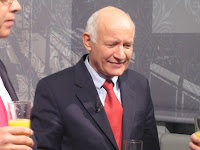
Bertus HendriksBertus Hendriks staat bekend als de man van het Palestina Komitee uit de jaren zeventig, dus daar wilde ik wel meer over weten. Uiteindelijk kom je juist over zijn opvattingen met betrekking tot Israel en Palestina nog het meest te weten. In tegenstelling tot andere marathoninterviews is er relatief wienig aandacht voor het prive-leven. Slechts heel zijdelings kun je uit de opmerkingen afleiden dat Hendriks getrouwd is, maar of er ook kinderen zijn en hoe hij zijn bereisde leven met familie gecombineerd heeft is geen onderwerp van gesprek. En dat had ook gekund.

Hoewel ik het op ondergeschikte punten niet helemaal met hem eens ben en enigszins verrast was uit te vinden dat voor iemand die zoveel jaren ingelezen is en het Midden-Oosten aan den lijve heeft ondervonden, bepaalde feiten of gedachtengangen niet bekend zijn, kan ik me wel in zijn standpunten vinden. Hij is trouwens de tweede die me in korte tijd op het punt wees dat we zo langzamerhand voorbij de twee-staten oplossing zijn. Zowel Hendriks als Ephraim Inbar (zie review UChannel podcast) zien de Palestijnse staat als onhaalbaar, onleefbaar en onwerkbaar. Waar Inbar niet verder denkt dan een voortzetting van de status quo wijst Hendriks op het punt waar het uiteindelijk heen zal moeten: de ene staat, die de etnische groepen op basis van gelijkheid herbergt. Het is erg utopisch, maar Hendriks doet ook niet alsof het makkelijk is; zijn opvatting is dat dit noodzakelijk is, de enig mogelijke oplossing.

Meer marathoninterviews:
G.A. Wagner,
Rijk de Gooyer,
Hans Galjaard,
Bert ter Schegget,
De Gaay Fortman.

Meer Israel:
The Rise and Demise of Palestine,
The Israel Lobby and US Foreign Policy,
5 Lessons for Peace,
The greatest threat to Zionism,
Israel, Iran and Terrorism.


AddThis Social Bookmark Button